
Other factors, such as menopause or medication use, commonly cause hot flashes and night sweats. In reality, drinking alcohol can cause a decrease in your internal body temperature. If someone drinks to the point of alcohol poisoning, their body temperature could drop significantly, potentially leading to hypothermia.
Ways to Brew Sweeter Beer!
Along with the hormone changes that alcohol triggers, that can keep your body from building new bone. Your bones get thinner and more fragile, a condition called osteoporosis. Alcohol also limits blood flow to your muscles and gets in the way of the proteins that build them up. These powerful chemicals manage everything from your sex drive to how fast you digest food. For example, some studies suggest that moderate alcohol drinking can affect fertility for some women. Research also shows that heavy drinking by men may lower testosterone levels and affect the making of sperm.
Stay hydrated and eat well
You may have experienced hot flushes as a symptom does alcohol make you hot of an alcohol hangover. This happens when your blood alcohol concentration levels return to normal. Usually, when you haven’t consumed alcohol, these hot flushes are your body’s signal to cool down.
Alcohol use already causes dehydration, which can lead to other hangover symptoms. Therefore, having a hangover symptom of sweating can further dehydrate your body, leading to additional hangover symptoms from dehydration. Individual responses to alcohol can differ, and while many experience flushing, not everyone will have the same reaction. Genetics, body composition, and alcohol tolerance can all influence how one responds to alcohol-induced vasodilation. People experiencing mild night sweats from occasional alcohol consumption may find relief using home remedies.
Detoxifies the Body
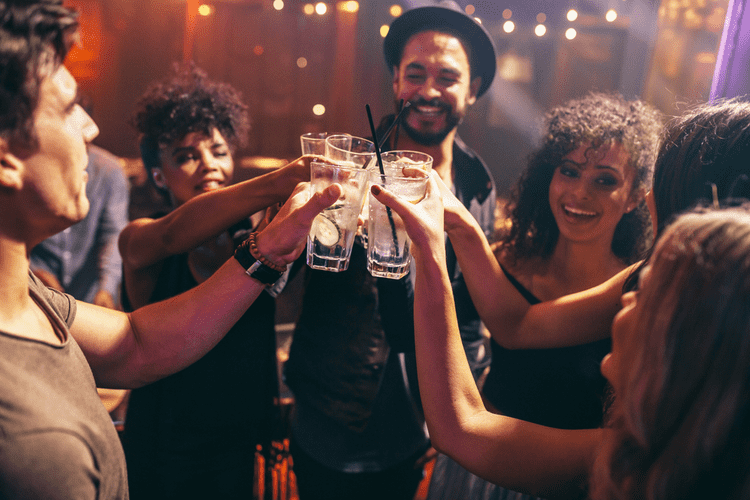
If you’re experiencing hot flashes caused by alcohol consumption, it’s important to talk to your doctor about managing them. Your doctor may recommend lifestyle changes, such as reducing your alcohol intake or staying hydrated while drinking. This is an uncomfortable flushing reaction that occurs immediately after the person starts drinking. This reaction isn’t a sign of intoxication or drunkenness, but rather it means that your body doesn’t contain the correct enzymes to break down alcohol to a byproduct that’s safe to process. Some people, however, cannot tolerate even small amounts of alcohol.
Why Do I Sweat When I Drink Alcohol?
Your core temperature is the temperature of the inside parts of your body, which is really important to keep relatively stable. When more blood flows to your skin, it takes heat away from your core. So, instead of drinking alcohol to warm your body up, try drinking warm, non-alcoholic beverages like tea, hot chocolate or warm apple cider. Hot flushes, commonly referred to as alcohol flush reactions or hot flashes, are a physiological response that can occur after drinking. Characteristics include the sudden reddening of the skin, particularly on the face and neck, and a sensation of warmth or heat.
First symptoms of liver damage from alcohol
Night sweats related to alcohol consumption is prevalent in individuals suffering from alcohol dependence. However, binge drinking on occasion may also cause this symptom even when one is not addicted to alcohol. While alcohol can make you feel hot, it is unlikely to cause overheating unless consumed in excessive amounts. Overconsumption what is alcoholism of alcohol can impair the body’s ability to regulate temperature, which may result in a dangerous increase in body temperature. Alcohol can lead to increased blood flow to the skin, causing some individuals to sweat more.
Alcohol is a diuretic, meaning it leads to increased urine production. This can result in reduced overall water content in the body, leading to dehydration. When we are dehydrated, the body’s natural response is to sweat more to cool down. Consequently, the combination of alcohol’s vasodilation effects and dehydration can make us feel even hotter and cause excessive sweating. Alcohol-induced heat and flushing are a common occurrence among people who consume alcohol. The many physiological effects of alcohol, such as blood vessel dilation, metabolism, and dehydration, can all contribute to the severity of these effects.
- One of its strongest effects is vasodilation, or the widening of blood vessels near the skin.
- It increases blood flow to the skin and impairs the body’s ability to shiver, making us feel warmer while reducing our actual core temperature.
- In this article, we took a look at the world of hot tubs and how they impact how alcohol affects your body when drinking.
- Alcohol itself already causes dehydration, which is a major contributing factor to the symptoms listed above.
She is also licensed as an exercise physiologist and certified in lifestyle medicine by the American College of Lifestyle Medicine. Her experience includes corporate wellness, teaching for the American College of Sports Medicine, sports nutrition, weight management, integrative medicine, oncology support, and dialysis. Agave and fruits such as apples and grapes are also high in fructose, as one article noted. She loves scouring the internet for delicious, simple, heartwarming recipes that make her look like a MasterChef winner.
While hot tubs may not accelerate intoxication, they can influence our body temperature. Soaking in hot water raises our core body temperature, which can lead to increased blood flow and dilation of blood vessels. This may create a sensation of lightheadedness or intensify the effects of alcohol, but it doesn’t actually make you drunker.
As a result, more blood is directed to the skin, enhancing heat loss through radiation. This can give you the sensation of being hot, especially in your face and neck areas. Consider drinking water between alcoholic beverages and consuming food to slow alcohol absorption.
How Much Can I Drink and Drive?
The warmth of the beer allows you to take your time, savoring each sip and truly immersing yourself in the flavors and aromas. It’s a leisurely and contemplative way to enjoy a beverage, perfect for cozy gatherings, pub atmospheres, or simply unwinding after a long day. It is important to stay adequately hydrated with water or other non-alcoholic beverages, especially in cold weather. It’s not only the following day that you may suffer from your drinking. While some find that alcohol reduces their symptoms, others find that hot flushes and migraines are a guarantee post-drinking even if they’ve only had one or two glasses.